
present
a play with music
by RO REDDICK
directed by KNUD ADAMS
Scroll down to meet the cast and creative team
(click their photos/names to read their bios!)
Can’t get enough of the Roll-A-Rama?
Keep scrolling to read an author’s note and essays about the show, or click here to jump ahead.
Cast

ALANA RAQUEL BOWERS
Meek
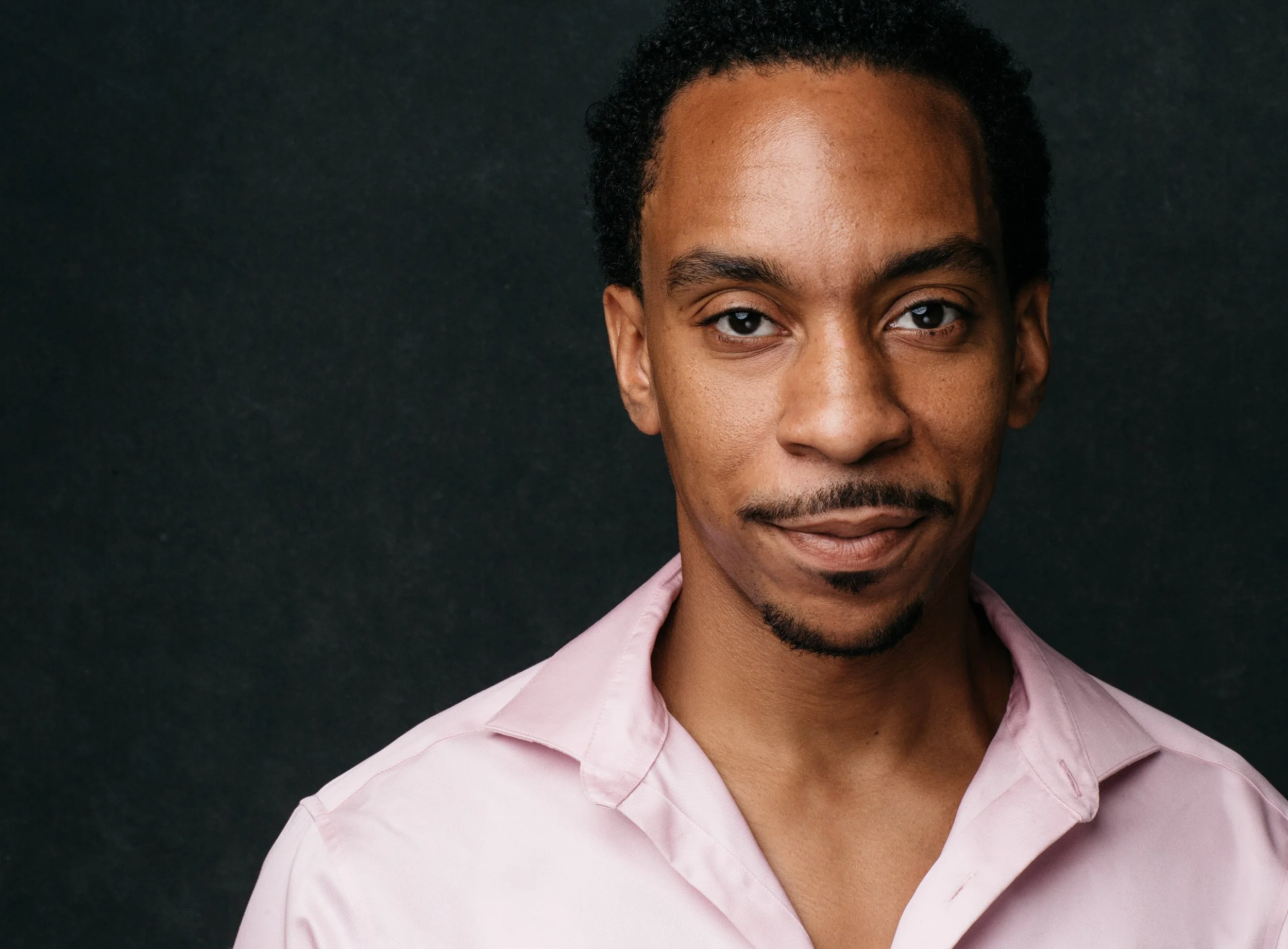
WILL COBBS
Smooch
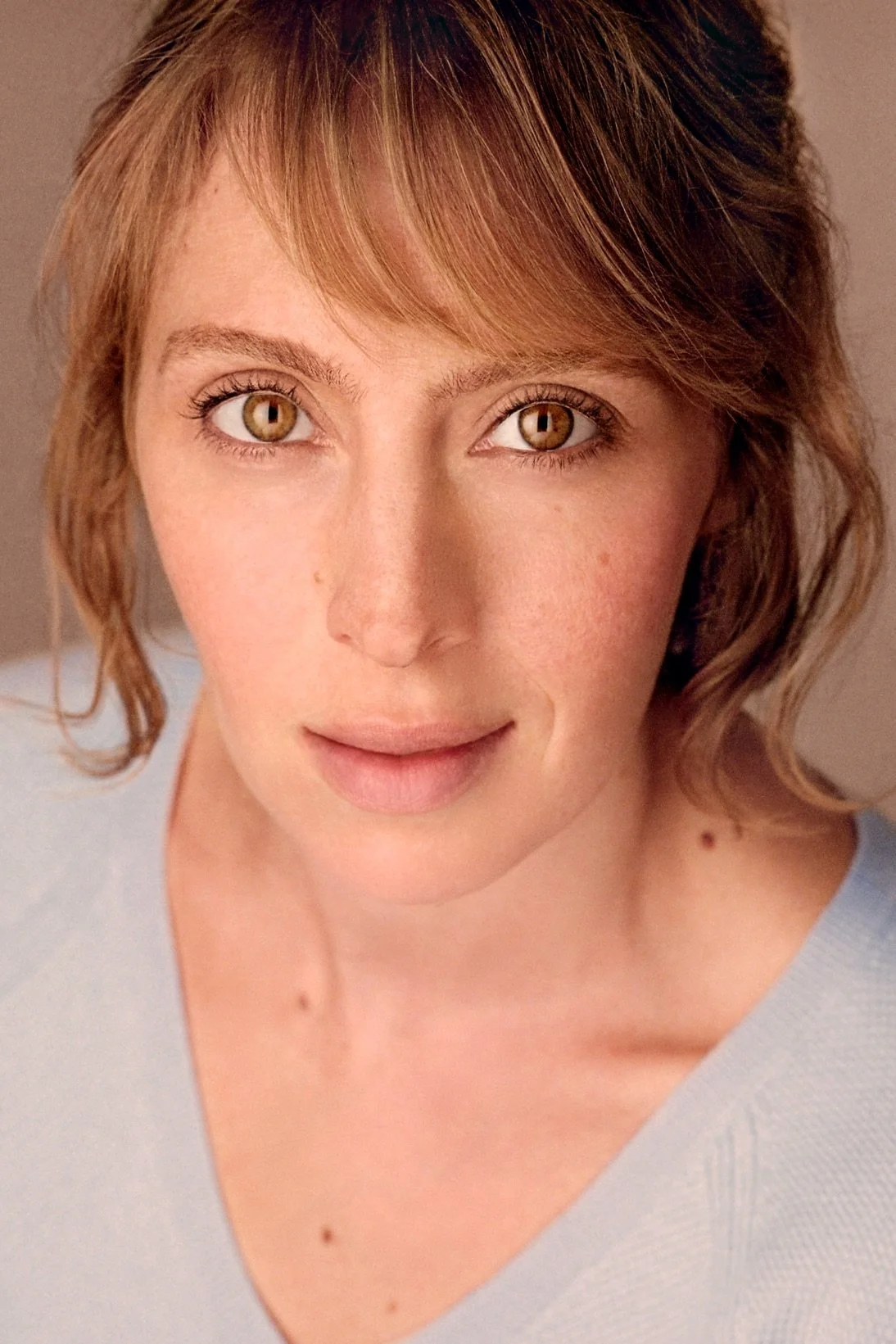
CRYSTAL FINN
Virgie

ANDY LUCIEN
Clay
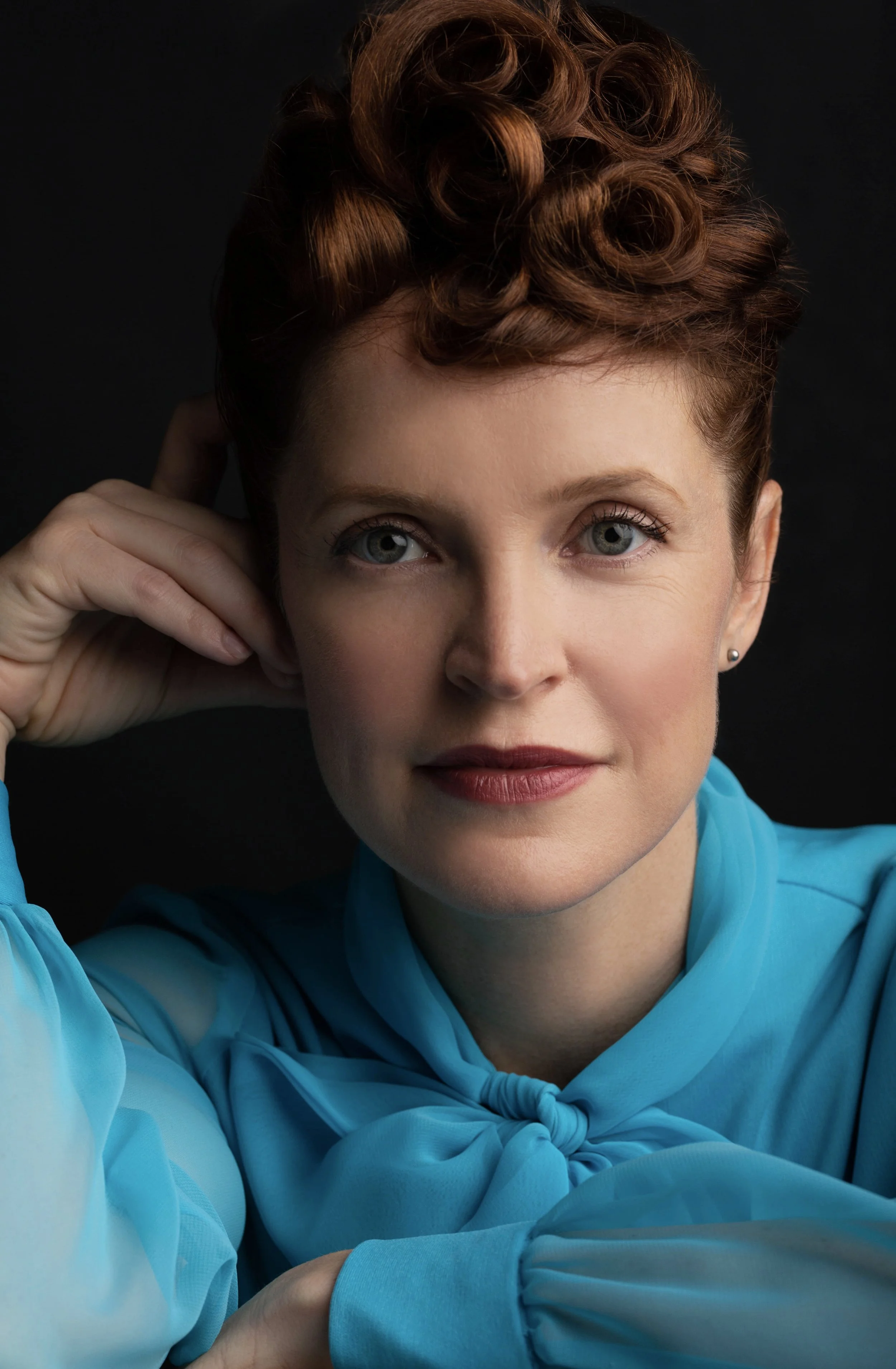
GRACE MCLEAN
Choir
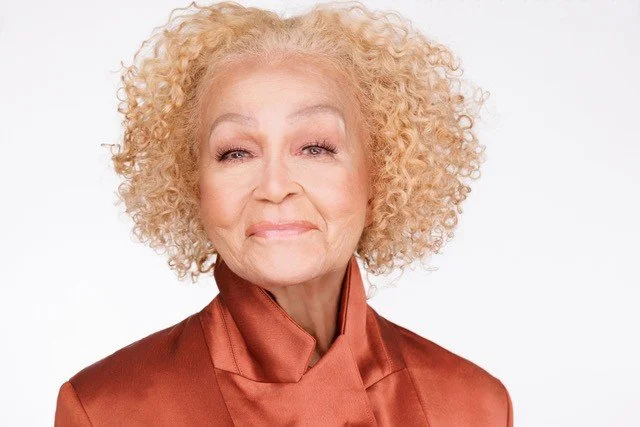
LIZAN MITCHELL
Puddin
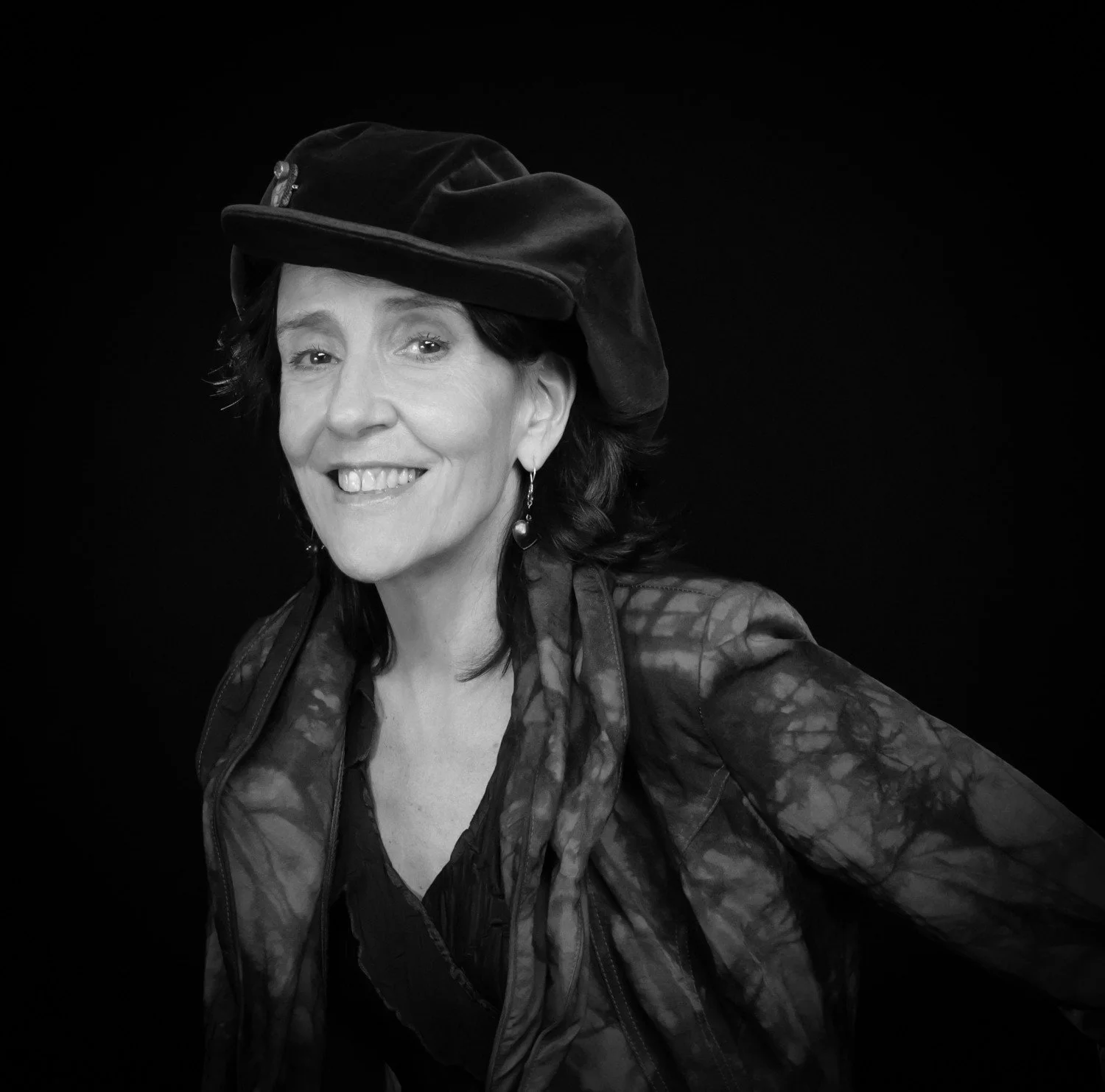
SUZZY ROCHE
Choir
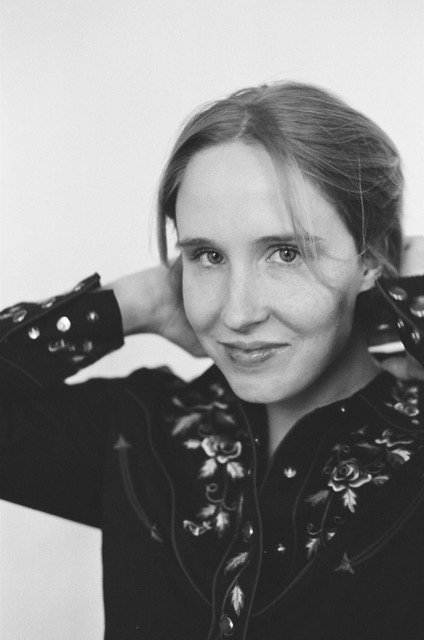
NINA ROSS
Choir
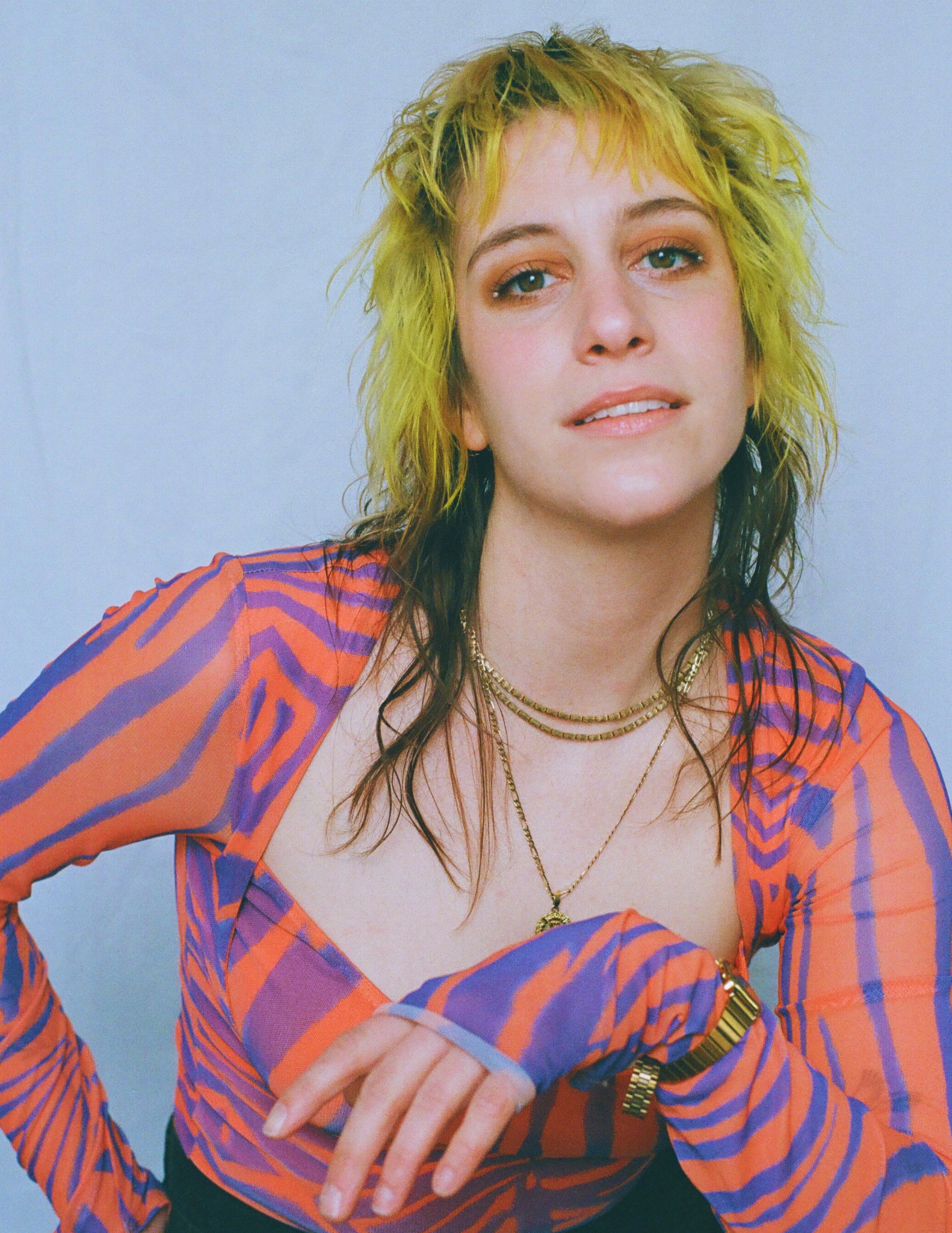
ELLEN WINTER
Choir Leader

LAYAN ELWAZANI
U/S, Choir
Creative team
AFSOON PAJOUFAR
scenic designer
BRENDA ABBANDANDOLO
costume designer
MASHA TSIMRING
lighting designer
KATHY RUVUNA
sound designer
SARAH JORDAN
hair designer
ELLEN WINTER
music director
RO REDDICK & ELLEN WINTER
orchestrations
BAYE & ASA
movement
NATALIE CARNEY
props supervisor
NICOLE JOHNSON / HARRIET TUBMAN EFFECT
DEI consultant
CHRISTINA M. WOOLARD
production stage manager
CLUBBED THUMB & PAGE 73
casting
Staff for COLD WAR CHOIR PRACTICE
Company Manager Frances Ramos
Assistant Production Manager Julia Sprung
Assistant Stage Manager Siena Yusi
Production Assistant/Sub ASM Hannah Jones
Assistant Director Olivia Songer
Associate Scenic Designer Josh Barilla
Assistant Costume Designer Miriam Cortes
Associate Lighting Designer Emily Schmit
Assistant Sound Designer Carsen Joenk
Hair Assistant Caroline Schettler
Music Associate Simone Allen
Technical Director Robert Mahon
Dialect Coach Jane Guyer Fujita
Prop Hands Lara Knopf, Tierney Brennan, Aisha Hamida, Antonia Howard
Deck Carpenter Crawford, Daisy Taysom
Carpenters Kevin Bickwermert, Ryan LoPresti, Emilia Kaczmarkiewicz, Jimmy Kohlmann, Crawford, Mia Wilson
Costume Shop Manager Caitlin Dixon
Wardrobe Supervisor Sarah Ittner
Stitcher Celestine Cervantes
Production Audio Max Baines
A1 Emery Cohen
A2 Samuel Maynard
Audio Crew Emery Cohen, Nicolas Kunkel, Chris Sauerbrey, John Millerd, Isaiah Howell
Production Electrician John Tees III
Lighting Programmer Graham Darnell
Light Board Operator Theo Najar
Lighting Crew Deric Gerlach, Jamie Crockett, Sara Hansen, Lily Koller, Penny White, Katherine Dumais, Jordan Acosta, Diane Tees, Vincent Crocker, Ben Free, Jarrod Fries, Athena Magart
Key Art, Graphic Design & Videography
The Numad Group/Ted Stephens III, Tony Cotte, Brendan Whipple
Production Photography Maria Baranova
Scenery Box Studios Inc.
Lighting Rental 4Wall
Sound Rental Masque Sound
Neon Sign GLO Studio
Carpet Installation Bay Carpet and Flooring
Publicity
Print Shop PR/Matt Ross, Nicole Capatasto, Liz Lombardi
Social Media & Influencer Marketing
Our Time Influence/Carly Heitner
Special Thanks
Achille Ricca , Addison Heeren, Alex Crosby, Alexis Cofield, Allison Raynes, Alma Cuervo, Ashley Perez Flanagan, Benjamin Papac, Benoit Elias-Roberge, Chima Chikazunga, Ema Zivkovic, Eric Berryman, Jack Woods, Jason Bowen, Jimmy Dewhurst, Johnny Bayne, Keilly McQuail, Lauren Page Russell, Madeleine Barker, Majka Kiely-Miller, Mallory Portnoy, Nell Walker, Nicole Rodenberg, Nora Iammarino, Sean Hagerty, Sivan Battat, Stephanie Berry, Steven Brenman, Sydney Greenhill and Tina Benko
About the producers
This production of COLD WAR CHOIR PRACTICE is a collaboration by three launchpads for new work: MCC THEATER, CLUBBED THUMB, and PAGE 73. Click our logos to learn more about each organization.
If you enjoyed the show, make a donation today. Your generosity will be shared equally among the three co-producing companies.
Read more!
-
When I was a kid, my best friend’s mother would swing by in her station wagon and take Jackie and I to choir practice every week. We were in the local chapter of “Peace Child”, a Cold War era children’s chorus, and clearly whoever organized this chapter had a connection at the zoo, because that’s where we rehearsed, often in a conference room, sometimes in the lobby. We sang about world peace and nuclear annihilation in equal measure. We learned songs in “all the languages of the world”. We sang a Song for a Russian Child. We sang to save the world from itself. When rehearsal ended, we climbed back into the car and I returned to a life where my family’s concerns were more immediate and the stakes felt just as high.
I was in my second semester of grad school when Putin invaded Ukraine. Think pieces asked if the US had entered a new Cold War. In an art history class we discussed the first Cold War and considered how citizens, then and now, carve out pockets of autonomy when the prerogatives of the nation threaten to overwhelm them. All of this brought my choir memories flooding back. When I shared this story with a playwright friend, she responded, that’s a play.
It’s rare you’re reminded of a more innocent version of yourself, one that was just starting to understand how much danger the world can hold (and perhaps that’s why I sometimes got choked up watching performances). Was I ever really so young? So hopeful? In some ways Cold War Choir Practice is a coming of age story. It’s a play interested in the moment when our palms, feeling their way through the dark, hit one of the jagged contours of the world, its sharp edges drawing blood. It’s also about how we negotiate our relationship to the groups that sometimes help us, sometimes harm us, but always hold some kind of power over us. More than anything, it’s about what we can find just past the sharp edges, if we reach far enough. Another set of hands feeling their way through the dark, ready to clasp our own.
-
Our entry point for movement tackled a central challenge: how do we put characters on roller-skates without using actual roller skates? Solving this puzzle opened up a beautiful investigation into how movement could more holistically support and accentuate the characters and comedy that make this play so special. Knud gave us the freedom to consider how movement could help elevate moments throughout the story, refining the physicality of a children’s chorus, a rollerskating MC in his element, or a cunning spy working for a shadowy cult. We reference gestures from old soviet propaganda posters, the grooves of the 80’s, and the spooky omnipotence of a greek chorus. In Cold War Choir Practice, movement is an essential part of the narrative drive as we work to heighten the overlapping worlds of the play and reveal character depth.
-
“History doesn’t repeat itself, but it often rhymes.” That famous quote attributed to Mark Twain sprung to mind as I read Ro’s engaging play about a multigenerational Black family in Syracuse in the era of Ronald Reagan’s America and the Cold War.
The play evoked memories of a period I lived through and brought to mind many parallels with present day domestic and international politics. In the early and mid-1980’s, fear of war between the Soviet Union and the United States was front of mind for many Americans. As Meek recites in the play, both countries had 30,000 nuclear weapons and kept them on high alert—bombers loaded with nuclear bombs on runways ready to take off on a moment’s notice and land-based and submarine-based strategic nuclear missiles ready to launch in minutes. There were no U.S.-Soviet arms control negotiations in Ronald Reagan’s first term (1981-1984) when he pursued a massive military and nuclear build-up. U.S.-Soviet negotiations resumed in 1985, leading to the 1987 INF Treaty referenced in the play and the START Treaty signed in 1991. As a young official in the U.S. Arms Control and Disarmament Agency (later folded into the State Department), I served on the U.S. delegation in Geneva that negotiated the START Treaty with the Soviet Union. I also worked on the implementation of INF and START over many years.
I devoted my career to the goal of reducing the role, number, and salience of nuclear weapons and preventing their use. We succeeded in reducing the global nuclear stockpile from over 60,000 weapons to 14,000 today and we strengthened the norm against nuclear proliferation and use. But, today, there are now nine states, not just two, with nuclear weapons; we are at the cusp of a new multilateral nuclear arms race amongst the United States, Russia, and China; and Putin is blatantly using nuclear coercion and threats against Ukraine. The last remaining treaty between the United States and Russia – the New START Treaty (which I also worked on) will expire next year. But there are no negotiations underway to replace it, and now China is a factor too as it builds up its arsenal and resists negotiations. Just as Reagan wasted billions of dollars and fueled the arms race with his illusory Strategic Defense Initiative meant to protect the American homeland from nuclear missiles (the soccer net referenced in the play), so today is President Trump devoting billions of dollars on his dream of a Golden Dome missile defense system which may enrich Elon Musk and other defense contractors but will not provide failproof protection against incoming nuclear missiles. It will only stimulate Russia and China to build more nuclear weapons to overwhelm it and will make new treaties harder to achieve.
Sadly, history also rhymes when it comes to domestic and racial politics – a critical throughline of this play. I winced at the line “The president ain’t thinking ‘bout us. Ain’t nobody thinkin’ ‘bout us – but us.” Because it rang so true – then and now. Leaders are not thinking about their constituents, and especially not about underserved Americans, when they pursue “trickle down” economic policies or spend billions on nukes rather than social programs. The play’s Black Deputy National Security Advisor negotiating the INF Treaty experiences impostor syndrome and feels excluded by white peers, while his family sees him more as a sellout than a success. A president’s economic policies – Reaganomics – disproportionally benefitted the wealthy and increased income inequality. Here history isn’t just rhyming – it’s repeating and doubling down. Just consider Trump’s “big beautiful” tax bill and his revolting repudiation of diversity, equity and inclusion and – let’s name it – his administration’s white racist domestic, immigration, and foreign policies.
In the early 1980’s, children’s peace choirs like the one in the play, and the popular grassroots “Nuclear Freeze” movement arose because the American people did not want to live under the threat of nuclear annihilation due to a U.S.-Soviet war, nor did they support their government spending massive amounts of money on the nuclear arms race. This movement crescendoed just as I was finishing graduate school and starting my career in Washington. At the Library of Congress’s Congressional Research Service (CRS) which provides nonpartisan research for members of congress and their staff, I wrote the recurring CRS Issue Brief for Congress on the Nuclear Freeze Movement and monitored the vigorous congressional debates on U.S. defense spending on nuclear weapons systems.
The Freeze movement is one element from our Cold War history that desperately needs to rhyme again: Though it seemed to recede after the end of the Cold War, the threat of nuclear annihilation has never left us. It’s just not in our collective consciousness the way it was when U.S.-Soviet confrontation was a constant front page story and school kids drilled for nuclear attacks rather than active shooters. There are now nine leaders with their finger on the nuclear button and multiple pathways to nuclear use by intention, accident or miscalculation, especially in the age of cyber and AI. The risk of nuclear catastrophe will continue to grow until the American people once again tell their elected representatives that we do not want to live under the threat of nuclear annihilation nor do we want our tax dollars wasted on weapons that threaten our security far more than they assure it.
One of the many things I appreciate and hope about Ro’s play is that it will not only entertain but also remind audiences that these threats have not gone away, and that every audience member – just like Meek, Puddin, and yes, Clay – has agency to help change that.
-
The morning I started this essay I woke up early and looked at my phone. I really try not to look at my phone, particularly not first thing in the morning, for reasons that I don’t have to explain but usually fit somewhere in a convoluted Venn diagram called horror injustice fury. This morning the phone was a doozy. We’re at war with Iran, I calmly informed my partner as she blinked herself awake. Whyyyy? she groaned into the pillow.
Why, indeed. I’ve read a thousand articles by now and I’m no closer to understanding. Living in a globalized world is like being a kid again. It’s incomprehensible, overwhelming, and scary. There’s nothing you can really do about it except try to believe that you’re safe. War is something that happens to other people. Right?
It might not be clear based on this totally grim introduction, but Cold War Choir Practice is a fantastic romp, a cocktail of mood and movement and music decked in Soviet Santa Clause red. It’s a nostalgia stew of Christmas-time, the 1980s, childhood, spy thrillers, with an eerie relevance pulsing in the background. Is it the threat of nuclear war? A celebrity president with a fondness for inane, meme-able language? Or, perhaps more succinctly, how intimately personal and immediate geopolitical chaos can feel? Take your pick!
The play follows a precocious young girl named Meek, who lives with her father Smooch and her grandmother Puddin above an indoor roller rink in upstate New York. She’s worried about nuclear war, building a fall-out shelter after school the way other kids might build forts. Her choir leader tells her “the voice of a child can stop nuclear attack;” her dad wonders why she’s worried about Russians when “the FBI just bombed a bunch of Black folks in Philly.” Skating around and between this little family, we have our titular choir, who sing and play kids and Soviets and mysterious strangers (as well as, satisfyingly, toilet paper holders and doors).
We soon meet Meek’s uncle, Clay, a Black Republican working with the Reagan administration, much to the horror and shame of his family. He’s come upstate from DC to stash his “spooky-looking” wife, Virgie, away from the influence of Wellspring, a cult that promises “optimization.” Her arrival, plus the delivery of a Russian language Speak + Spell courtesy of Meek’s Soviet Pen Pal, trigger a Rube Goldberg-esque series of events leading to the untimely destruction (and Atomic Fireball fall-out) of Mr. Davis’ Candy Emporium… and also world peace. (For now.)
What we’re watching, ultimately, is a uniquely American coming-of-age story. When we first meet Meek, she tells us exactly what she wants. “A Pound Puppy, a Speak + Spell, and a nuclear radiation detector.” But it’s the last one that’s most important, because it represents safety and security, the two things every child deserves to have. By the end, however, Meek wants something different. She wants money, money to help fix the damage to her family’s roller rink. She’s learned the terrible lesson of America, that there’s only one currency here. It’s not peace or love or the power of children’s voices asking for safety and security. It’s the thing her father was trying to teach her from the beginning: the government’s not going to take care of you. They’ve got to look out for themselves.
At the end, Meek tells the story of Christmas. “There once was a child. A small child…” Of course, this is also her story, the story of a child who brought peace to the world (through light treason, pure nerve, and spy antics). It’s a nice idea, that one child can make the world anew. It’d be much nicer if they didn’t have to.
-
Playwright Ro Reddick sat down to chat COLD WAR CHOIR PRACTICE with Renee Harrison, founder of Black Girls Do Theater. Check out this excerpt from their conversation, and head to their website to read the whole interview!
Renee: I’d love to talk more about the family—Puddin, Smooch and Clay. In centralizing this story within a Black family, what felt most daring for you? I’m curious about the exchange after the fight between Smooch and Clay. Clay now works for the White House and Smooch realizes he doesn't even feel like he knows his brother anymore.
Ro: I was interested in families where there are socioeconomic and ideological differences. I was really curious about Black conservatives who used to be Black nationalists. I was just really curious about that kind of "switch." The Reagan era felt like a rich time to explore how people align themselves with power and structures. Looking at those two brothers and how they evolved over the decades was fascinating to me.
Renee: Every character in this play is trying to engineer a future that feels safer than their present. What does it mean to dramatize that survival instinct in a Black family? Do you feel like we are still raising children who are quietly preparing for a catastrophe?
Ro: I mean, aren't we all quietly preparing for a catastrophe? That feels like a top-of-mind concern for me, which is why putting Meek at the center felt right. I’m trying to work out my own feelings around safety and when you first come to understand that. I think we are definitely preparing children and ourselves for catastrophe; it’s very dark, but that is sort of the mood.
DIVE DEEPER with these behind the scenes videos
Visual research from director Knud Adams
Time lapse of load in and tech
Inaugurated on JAN 9, 2019, MCC’s Hell’s Kitchen home, THE ROBERT W. WILSON MCC THEATER SPACE, is a state-of-the-art complex designed for us to do what we do best: shake things up. The space houses two theaters, two rehearsal studios, extensive backstage facilities, administrative offices, and ample audience amenities.
THE NEWMAN MILLS THEATER is named for Ruth & Harold† Newman and Marianne & Steve Mills. As dedicated co-chairs of The Campaign for MCC THEATER, they led a successful fundraising effort in support of MCC’s education and artistic programs.
THE SUSAN & RONALD FRANKEL THEATER is named for Susan & Ronald Frankel. They have been active with the company since 2015. Susan Frankel is also an MCC THEATER Board member.
ROBERT W. WILSON was a well-known and successful investor from the mid-1960’s to the mid-1980’s. After retirement, he devoted his life to philanthropy. He was a transformative philanthropist, primarily funding worldwide organizations in the preservation and conservation areas. An avid New Yorker, he was also involved with a number of New York’s cultural institutions. He was a major supporter of, and held leadership roles with, the Brooklyn Botanic Garden, Environmental Defense Fund, The Metropolitan Opera, the Whitney Museum, and the World Monuments Fund. In addition, he and the Trust continue to support the above institutions and The Nature Conservancy, The New York Public Library, Central Park Conservancy, BAM, and the Wildlife Conservation Society.
LAND ACKNOWLEDGEMENT
MCC THEATER wants to center our event in practices rooted in fostering community. We acknowledge how the PAST and the FUTURE converge on our PRESENT. MCC’S theater home sits on the UNCEDED land of the LENAPE people. We acknowledge that this stolen land was worked on by enslaved Africans. May this living land acknowledgement—to the LENAPE, their elders past and present, and their future generations, as well as to the experience of enslaved Africans and their descendants, serve as a starting ground for change.